A product can win the click on page one and still lose the customer before they ever search. That is the commercial difference behind Amazon PPC versus DSP. PPC captures shoppers showing immediate purchase intent inside Amazon. DSP can create demand earlier, re-engage audiences later, and keep your brand visible beyond the search results page. The right choice is rarely about which channel is better. It is about which channel solves the constraint currently limiting profitable growth.
For a new SKU with limited reviews, weak conversion, or unstable inventory, more awareness can magnify an operational problem. For an established brand that relies entirely on high-cost search terms, limiting spend to PPC can leave valuable audiences untouched. A strong Amazon advertising strategy starts with the product economics, retail readiness, and growth objective, then assigns each channel a clear job.
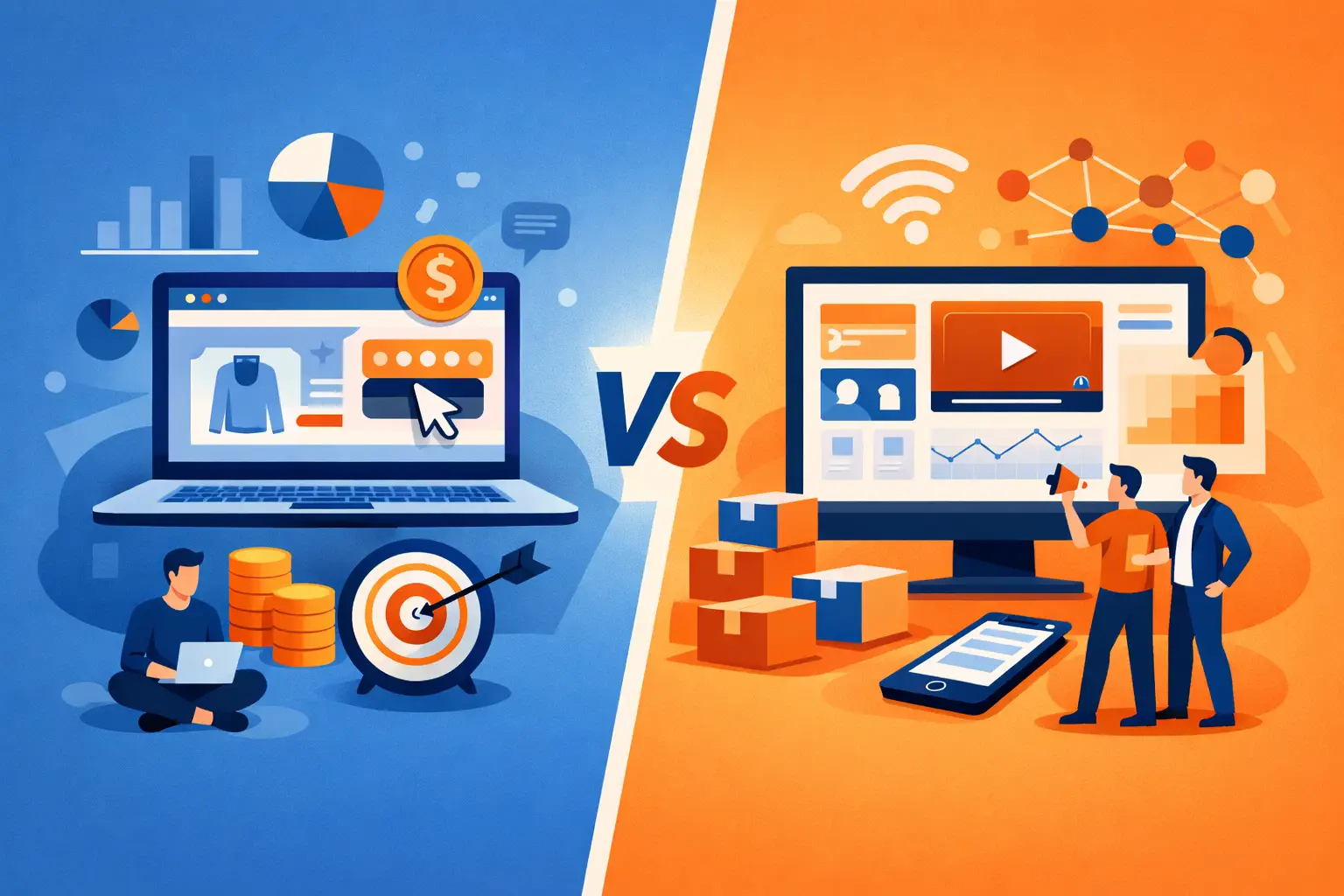
Amazon PPC versus DSP: The Core Difference
Amazon PPC is a pay-per-click advertising model. It includes Sponsored Products, Sponsored Brands, and Sponsored Display campaigns, with spend typically triggered when a shopper clicks an ad. Its greatest strength is proximity to purchase intent. A shopper searching for a specific product, comparing alternatives, or viewing a competitor’s detail page is already in an active buying environment.
Amazon DSP is Amazon’s demand-side platform for programmatic media buying. It allows brands to reach Amazon audiences across Amazon-owned properties and third-party publisher inventory using display, video, and other available formats. DSP campaigns generally buy impressions rather than clicks. Their role is broader: prospecting for new customers, retargeting detail-page viewers, re-engaging past purchasers, supporting launches, and extending reach off Amazon.
The distinction matters because the metrics move differently. PPC is usually judged closely against immediate sales efficiency, including ACoS, ROAS, cost per order, and search-term profitability. DSP also needs those commercial measures, but it should be evaluated through reach, frequency, new-to-brand sales, view-through conversions, audience quality, and its contribution to the full purchase path.
| Area | Amazon PPC | Amazon DSP | Primary role | Capture existing shopping demand | Build, influence, and recapture demand | | Buying model | Pay per click | Primarily pay per impression | | Best targeting signals | Keywords, product targets, shopping context | Audiences, behavior, lifestyle signals, retargeting | | Typical conversion window | Shorter and more direct | Often longer and multi-touch | | Core use case | Rank, defend, and convert high-intent shoppers | Acquire new audiences and improve full-funnel reach |
Where Amazon PPC Produces the Fastest Return
PPC should be the commercial foundation for most Amazon brands. It gives operators direct control over search terms, product targeting, bids, budgets, and placement strategy. Sponsored Products can put an offer in front of shoppers searching generic category terms or brand-specific terms. Sponsored Brands can defend brand real estate and direct shoppers to a Storefront or curated product collection. Sponsored Display can support retargeting and competitor-ASIN targeting within a closer-to-commerce environment.
PPC is built for intent, not just traffic
A shopper searching for a problem-solving term is telling Amazon what they want now. That makes keyword-level PPC especially valuable for product launches, ranking initiatives, seasonal demand capture, and proven hero SKUs. It also creates a continuous source of search intelligence. Search-term reports reveal how customers describe a need, which competing products intercept demand, and where a listing’s title, images, A+ Content, or pricing may be failing to convert.
That insight has growing value as Amazon search becomes more conversational. Listings need to answer natural customer questions clearly enough for shoppers and AI-led discovery tools such as Rufus to understand product relevance. PPC can expose the language buyers use, but advertising cannot compensate for a detail page that leaves key questions unanswered.
PPC has limits at the top of the funnel
PPC becomes expensive when every dollar is used to chase the same competitive, bottom-funnel keywords. Broad targeting can find new search opportunities, but it can also waste spend if search queries are not managed with disciplined negatives, placement adjustments, and conversion-based bid decisions. It is powerful for harvesting demand. It is less efficient at introducing a brand to consumers who have not yet entered Amazon with a relevant search.
Where DSP Changes the Growth Equation
DSP earns its place when a brand needs more than another bid increase. It gives advertisers the ability to build audiences based on shopping and engagement signals, then reach those audiences before, during, and after their Amazon visit. This makes it especially useful for products with longer consideration cycles, differentiated brand stories, repeat-purchase potential, and enough margin to invest beyond the last click.
DSP can reach the shopper before the search
Consider a premium skincare brand. PPC can compete when shoppers search for moisturizer, serum, or a comparable product. DSP can introduce the brand to relevant beauty shoppers before they conduct that search, then retarget viewers who visited the product detail page without purchasing. The first DSP impression may not generate an immediate sale. Its value may appear when the shopper later searches the category, clicks a Sponsored Product ad, and converts.
That is why judging DSP only by last-click ACoS can lead to poor decisions. A better framework considers whether DSP is increasing new-to-brand customer acquisition, improving branded search, supporting repeat purchases, and helping PPC convert demand that would otherwise go to competitors. Where available, Amazon Marketing Cloud analysis can help brands assess these multi-touch paths with greater rigor.
DSP requires stronger operational readiness
DSP can scale reach quickly, which makes weak retail fundamentals more expensive. Before launching significant DSP activity, a brand should have reliable FBA inventory, competitive pricing, persuasive creative, a conversion-ready listing, and a clear understanding of contribution margin. Frequency also needs active management. Showing too many ads to a narrow audience can create waste rather than consideration.
DSP budgets and access requirements can make it a less practical starting point for small or unproven catalogs. Brands can access DSP through eligible self-service arrangements or a managed-service partner, but access alone does not create a strategy. Audience architecture, creative rotation, clean measurement, and a purposeful retargeting sequence determine whether impression spend becomes incremental revenue.
How to Decide Which Channel Deserves the Next Dollar
Start with the business problem, not the channel label. If shoppers are already searching but your products are invisible or losing placements, PPC deserves the priority. If branded search is flat, category competition is intensifying, and customer acquisition depends on reaching people before they search, DSP may be the more strategic next investment.
A new brand often needs a staged approach. Build listing conversion first. Use PPC to establish keyword relevance, validate price positioning, generate sales velocity, and identify the search terms that produce profitable orders. Once the core catalog has stable inventory and a credible conversion rate, DSP can prospect for high-value audiences and retarget non-converters. The result is not two disconnected media programs. It is a system where DSP creates and recaptures consideration while PPC closes high-intent demand.
Established brands may reverse the emphasis during mature periods. If a hero SKU already ranks well organically and branded search is strong, DSP can protect market share by expanding reach among adjacent audiences and bringing previous customers back into the brand portfolio. PPC still matters for defense and conversion, but DSP can reduce dependence on a shrinking pool of expensive keywords.
Budget allocation should follow margin and measurement maturity. A low-margin commodity product may need a highly controlled PPC program with strict efficiency thresholds. A differentiated consumable with repeat purchase behavior can justify a broader acquisition cost because the first order is not the full customer value. Neither approach is universally correct. The economics decide.
Measure the Combined System, Not Isolated Campaigns
Channel siloing is one of the most common causes of wasted Amazon ad spend. A PPC manager may pause a keyword because its direct ACoS rises after DSP begins prospecting. A DSP manager may claim credit for conversions that PPC actually captured at the final moment. Neither view provides a complete commercial picture.
Set separate operating KPIs, then review shared business outcomes. PPC teams should monitor search-term profitability, organic rank movement, conversion rate, share of voice, and TACoS. DSP teams should monitor reach, frequency, new-to-brand sales, audience-level conversion, view-through performance, and incremental lift where measurement allows. Both teams should be accountable for total revenue, contribution margin, inventory health, and customer acquisition quality.
Creative and retail content belong in that same review. DSP creative that promises a benefit missing from the detail page creates friction. PPC ads that win clicks but lead to poor conversion signal a listing, offer, review, or pricing issue. Advertising performance is not separate from catalog operations. It is a live diagnostic of the entire Amazon growth engine.
At iNNOVEX, the practical objective is not to spend more across PPC or DSP. It is to build the right sequence across launch, conversion, acquisition, and retention, with every media decision tied back to profitable scale.
The next productive question is not whether PPC or DSP wins. Ask where your customer journey breaks today: before discovery, during comparison, or at conversion. Put the next advertising dollar there, measure what changes, and let the evidence determine how the budget grows.
Frequently Asked Questions About Amazon PPC vs DSP
1. What is the difference between Amazon PPC and Amazon DSP?
Amazon PPC is primarily a pay-per-click advertising model designed to capture shoppers with active purchase intent through ad formats such as Sponsored Products, Sponsored Brands, and Sponsored Display. Amazon DSP is a demand-side platform that primarily uses impression-based advertising to reach, engage, and retarget audiences across Amazon-owned properties and third-party publisher inventory.
2. Is Amazon PPC better than Amazon DSP?
Neither Amazon PPC nor Amazon DSP is universally better. PPC is generally more suitable for capturing existing shopping demand and driving direct conversions, while DSP can help brands build awareness, reach new audiences, and retarget shoppers throughout the customer journey.
3. When should a brand use Amazon PPC?
Amazon PPC is often a strong starting point for product launches, keyword targeting, ranking strategies, competitor targeting, and capturing high-intent shoppers. It can also help sellers identify profitable search terms and understand how customers search for their products.
4. When should a brand consider using Amazon DSP?
Amazon DSP may be suitable for established brands that want to expand beyond search advertising, reach potential customers before they search, retarget product detail page visitors, support new customer acquisition, or build a broader full-funnel advertising strategy.
5. Can Amazon PPC and DSP be used together?
Yes. Amazon PPC and DSP can work together as part of a full-funnel advertising strategy. DSP can help create awareness and retarget audiences, while PPC can capture shoppers who are actively searching and ready to compare or purchase products.
6. How should Amazon PPC and DSP performance be measured?
PPC performance is commonly evaluated using metrics such as ACoS, ROAS, conversion rate, search-term profitability, and cost per order. DSP may also require broader measurement, including reach, frequency, new-to-brand sales, audience-level performance, view-through conversions, and its contribution to the overall customer journey.
7. Should new Amazon brands start with PPC or DSP?
A new Amazon brand may benefit from first building a conversion-ready listing, maintaining reliable inventory, and using PPC to establish keyword relevance and generate sales data. As the catalog becomes more established and the brand has clear audience and growth objectives, DSP can be considered as part of a broader customer acquisition and retargeting strategy.